
Understanding ADHD Types: Symptoms, Causes, and Treatments

Understanding ADHD Types Symptoms, Causes, and Treatments

Learn about the different types of ADHD, their symptoms, causes, and effective treatments. Understand how ADHD affects children and adults, and explore diagnosis and management options.

Imagine sitting in a classroom, trying to concentrate while the world around you seems to be moving at lightning speed. This scenario resonates with many individuals facing Attention-Deficit/Hyperactivity Disorder (ADHD), a condition often misunderstood and surrounded by stigma. Despite its prevalence, ADHD is frequently seen as merely a childhood disorder, leading to underdiagnosis or misdiagnosis in adults. For instance, consider a college student overwhelmed by the demands of lectures and assignments, struggling to focus and feeling lost in a sea of information. This confusion can hinder effective support and management for those affected by ADHD.

Understanding ADHD Easly : Visit AmericasPharmacy.Shop

Different Types of ADHD: The Foundation of Understanding

What Is ADHD?

Attention-Deficit/Hyperactivity Disorder (ADHD) is a neurodevelopmental disorder characterized by symptoms of inattention, hyperactivity, and impulsivity. It is important to note that ADHD is not a one-size-fits-all condition; it is categorized into three main types:

1. Inattentive Presentation: Individuals with this type often struggle to maintain focus on tasks and may frequently forget appointments or lose things necessary for tasks.

2. Hyperactive-Impulsive Presentation: This type is marked by excessive fidgeting, impulsivity, and difficulty remaining seated in situations where it is expected.

3. Combined Presentation: Individuals exhibit symptoms of both inattentiveness and hyperactivity-impulsivity, making it the most common presentation among those diagnosed with ADHD.

Understanding these types can lead to more tailored and effective management strategies, helping to address the unique challenges each individual may face.

Get UpTo 30% Off Only On AmericasPharmacy.shop

The Real Cost of Ignoring ADHD: Why It Matters

The Impact of ADHD on Everyday Life

ADHD can significantly affect various aspects of life, including academic performance, workplace productivity, and personal relationships. Many individuals with ADHD face challenges in maintaining focus, which can lead to frustration and low self-esteem. For example, a parent may struggle to help their child with homework due to the child’s inability to concentrate, often resulting in feelings of inadequacy for both parties.

Moreover, untreated ADHD can result in increased healthcare costs, lost productivity, and a higher likelihood of mental health issues. According to the CDC, about 6.1 million children in the U.S. have been diagnosed with ADHD, with many continuing to experience symptoms into adulthood, highlighting the necessity of recognizing and addressing ADHD’s impact on life.

Under the Hood: How ADHD Actually Functions

The Neuroscience of ADHD

ADHD is linked to differences in brain structure and neurotransmitter activity, particularly involving dopamine. Research indicates that individuals with ADHD may have lower levels of dopamine, affecting attention and impulse control. Neuroimaging studies have shown structural differences in the prefrontal cortex of individuals with ADHD, a brain region critical for decision-making and behavior regulation.

Neurotransmitters and ADHD: Neurotransmitters play a crucial role in regulating attention and behavior. Dopamine and norepinephrine are particularly important in managing focus and impulse control. Medications that increase dopamine levels can help alleviate symptoms in some individuals with ADHD, demonstrating the biological underpinnings of this disorder.

The Game-Changing Advantages of Understanding ADHD Symptoms

Symptoms of ADHD

ADHD symptoms can be categorized into inattentive, hyperactive-impulsive, and combined presentations. Individuals may present with symptoms such as:

1. Inattention: Difficulty sustaining attention, careless mistakes, and forgetfulness.

2. Hyperactivity: Excessive talking, fidgeting, and difficulty remaining seated.

3. Impulsivity: Interrupting others, difficulty waiting for one’s turn, and making hasty decisions without considering the consequences.

Recognizing and understanding these symptoms is crucial for effective diagnosis and treatment. Understanding the symptoms can also help in identifying the causes of ADHD, which may include biological, environmental, and socioeconomic factors.

Causes of ADHD

ADHD is influenced by a combination of factors. Genetics play a significant role, as a family history of ADHD increases the likelihood of diagnosis. Additionally, prenatal exposure to substances like tobacco and alcohol, as well as adverse childhood experiences, can contribute to the development of ADHD.

Understanding the causes can help in identifying at-risk individuals and providing early interventions, ultimately leading to better management outcomes.

Navigating ADHD Management Pitfalls: What to Avoid

Common Misunderstandings About ADHD

Many misconceptions about ADHD can hinder effective management and support. For instance, ADHD is often mistakenly viewed as a lack of discipline rather than a legitimate disorder. This misunderstanding can lead to frustration among parents and teachers who may not recognize the underlying issues affecting behavior.

Dispelling myths about ADHD is essential for fostering understanding and support. Increased awareness can lead to more compassionate approaches to treatment and intervention, ultimately benefiting those affected by ADHD.

Mastering ADHD Management: Expert Strategies for Success

Comprehensive Treatment Approaches

Successful ADHD management requires a multifaceted approach. This can include behavioral therapy, medications, and lifestyle adjustments such as diet and exercise. A combination of cognitive-behavioral therapy and medication may lead to significant improvements in managing symptoms.

The Role of Support Systems: Support from family, schools, and professional coaches is vital in managing ADHD. A strong support network can provide encouragement and practical assistance, enhancing management strategies and improving quality of life.

Your ADHD Action Plan: When to Seek Help

Signs It’s Time to Seek Professional Help

Certain signs indicate it may be time to seek evaluation for ADHD. Persistent challenges in focusing, managing time, or handling emotions can signal the need for professional help. For example, a student’s declining grades may indicate that ADHD symptoms are impacting performance, making it essential for parents and educators to recognize these signs early.

Who ADHD Affects: Understanding Demographics and Treatment Needs

Understanding ADHD Across Ages and Genders

ADHD affects individuals differently based on age and gender, necessitating tailored approaches. ADHD  Symptoms may present differently in boys versus girls, and adults may experience unique challenges. For instance, girls may internalize symptoms, leading to underdiagnosis compared to boys who may exhibit more overt symptoms.

Tailoring treatment plans to individual needs can enhance effectiveness, ensuring that all individuals receive the support they need throughout their lives.

Buy Adderall Online : AmericasPharmacy.shop-Get Affortable Price

The Future of ADHD Treatment

Ongoing research is critical for improving ADHD management. New findings on treatment efficacy and emerging therapies offer hope for better outcomes. Advances in technology and therapy options may lead to more personalized treatment plans, empowering individuals and families in their ADHD journey.

Putting It All Together

Understanding the different types of ADHD, their symptoms, causes, and treatment options is essential for effective management. By recognizing the complexities of ADHD, individuals and families can foster better support systems and explore the most effective strategies for managing this condition. If you’re looking for more information, learn more about our services. This knowledge not only helps in navigating the challenges of ADHD but also promotes a compassionate and informed approach to treatment.

Conclusion

Understanding the different types of ADHD—whether inattentive, hyperactive-impulsive, or combined—helps create greater awareness of how the condition affects individuals in unique ways. While symptoms can vary widely, early identification and proper support make a significant difference in daily functioning and long-term well-being. Although the exact causes of ADHD remain complex, advances in research show strong links to genetics, brain development, and environmental factors. With effective treatments such as medication, behavioral therapy, lifestyle changes, and educational support, people with ADHD can manage their symptoms and thrive at every stage of life. Empowering yourself with knowledge is the first step toward understanding, acceptance, and improved quality of life for those living with ADHD.

Visit Official Website: https://americas-pharmacy.amebaownd.com/ 

ADHD

The Impact of ADHD on Children and Adults

Introduction ADHD

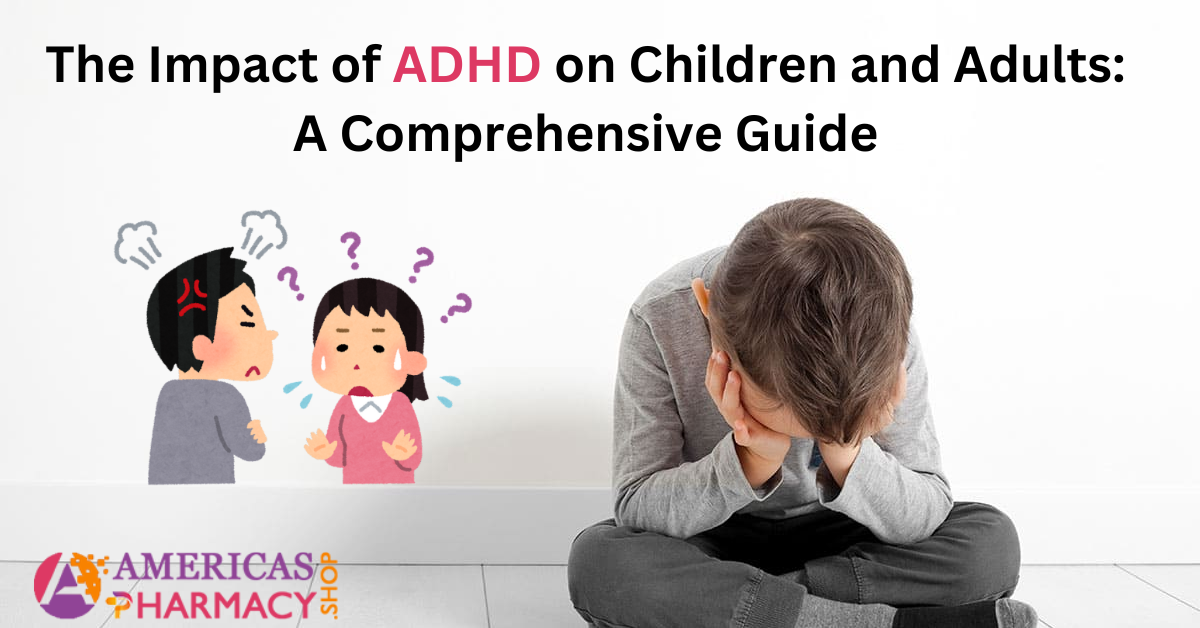
ADHD is one of the growing problems for any age group. However, it typically affects children and makes their childhood problematic. There is no permanent cure found for treating Attention deficit hyperactivity disorder, but with the help of some medicines, therapy, and counseling, you can see positive results. In this blog, we will focus on ADHD, the problems children face, and the kind of treatment we can provide.

Have you ever paid attention that children or teens find it difficult to pay attention? And they perform an activity that has no relevance to them? If such kinds of things are going on regularly and it impacts your child’s daily life, then you must visit a physician or expert and report the problem because these are the clear signs of Attention deficit hyperactivity disorder. 

ADHD in children not only impacts their social relationships but also disturbs school performance. As a good parent, you have to manage the situation strongly and help your child at each stage to develop a better place for them. There are so many treatment options and medicines available for the betterment of ADHD. You need to go to an expert and find the best for them.

Understanding ADHD

ADHD stands for Attention Deficit Hyperactivity Disorder. It is a neurodevelopmental disorder that commonly occurs in children and often persists into adulthood. People suffering from Attention deficit hyperactivity disorder have difficulty focusing on any tasks, staying organized, and completing assignments on time. They also face trouble with social relationships. Also, they may experience impulsive behavior, like interrupting others or acting without thinking. 

Visit AmericasPhamacy.Shop To Buy Adderall Online

Symptoms of Attention Deficit Hyperactivity Disorder

People with ADHD suffer from these factors:

  • Inattention: It means that the child is having difficulty paying attention. Symptoms may include difficulty focusing on tasks, forgetfulness, being easily distracted, and difficulty following instructions. People with inattention symptoms may also struggle with organization, time management, and completing tasks.
  • Hyperactivity: It indicates that the child is either having too much energy while performing the work or either moving too much or talking too much. Symptoms may include fidgeting, restlessness, impulsivity, interrupting others, and difficulty waiting their turn.
  • Impulsivity: It is termed as children acting without thinking or having difficulty with self-control. 

If you are taking good care of your children by your own, then you can easily recognize these signs and symptoms in your childrens. There are neither so big signs nor too common, so you need to pay proper attention to know better. 

What causes Attention Deficit Hyperactivity Disorder?

The researchers are still unsure of the exact cause behind Attention deficit hyperactivity disorder. However, some studies have concluded that genetics play a vital role in the development of Attention deficit hyperactivity disorder. But, according to some researchers, like other disorders, Attention deficit hyperactivity disorder is also a result of a combination of factors. Also, some genetics researchers are paying a lot of attention to knowing how the environment plays a role in Attention deficit hyperactivity disorder. What are the risk factors for developing Attention deficit hyperactivity disorder, and how do brain injuries, social environments, and nutrition play roles in ADHD?  

Comparing ADHD in Children and Adults

As per the results, around 90% of the childrens and 4% of adults have ADHD. Difficulty paying attention and concentrating on tasks can have an impact on children’s academic performance and learning, as well as on adults’ work performance and relationships. 

See, both the sufferers have some common things, but the childrens find it more difficult, and the treatment is also complicated as compared to the adults. 

Signs of ADHD in childrens

In major cases, it has been seen that most of the childrens are diagnosed with Attention deficit hyperactivity disorder when they face problems in behavior and performance in school. However, the ratio of boys to girls is higher. The childrens who are suffering from ADHD find it difficult to maintain friendships and always show poor performance at work. Here are some common signs of ADHD in childrens:

  •  Difficulty remaining seated
  •  Impatience in waiting for their turn
  •  Tendency to be disruptive or not attentive in class
  •  Inability to play or work quietly
  •  Excessive talking
  •  Constantly running or climbing

Signs of ADHD in adults

Approximately 60% of adults with ADHD have it since childhood. However, the signs of Attention deficit hyperactivity disorder can change as you grow older. Here are some common signs of ADHD in adults:

  • Restlessness
  • Difficulty remaining seated for extended periods
  • Impatient nature
  • Limited tolerance for frustration
  • Impulsive behavior
  • Lack of attention to detail
  • Excessive verbal communication
  • Tendency to interrupt others

Being an adult, Attention deficit hyperactivity disorder makes it more difficult to focus on the work or makes it almost impossible. And it’s very common to experience memory loss problems and maintain any personal relationship. However, these problems are less common if you are a child. 

With the proper treatment and therapies like CBT, you can surely get positive results. The majority of individuals with ADHD typically benefit from a combination of therapy and medication. Therapy aims to provide patients with effective strategies to enhance their behavior and manage feelings of anxiety, depression, and low self-worth.

Advances in ADHD Research

With the advancement of science and technology, we are getting more closer to the cure of diseases. ADHD was first diagnosed in 1902, and till date, researchers are finding ways to make it better and more curable. 

Here are some recent research about ADHD that will definitely help you know more and trust more. 

The power of physical exercise:

According to a recent study it has been found that exercise is one of the best non-drug ways to reduce ADHD and improve your lifestyle. If any child is suffering from ADHD and medicine is a complicated process, so try with daily physical exercise and aerobic exercise and see the best results. This helps them think flexibly and easily adjust to new situations. 

ADHD and Race

An examination of research involving over 150,000 Black individuals in the U.S. revealed that approximately 15% of them were diagnosed with Attention deficit hyperactivity disorder. The researchers conducting the review concluded that this indicates a higher prevalence of the disorder among Black individuals compared to previous estimates, highlighting the need for increased Attention deficit hyperactivity disorder testing within diverse Black communities.

Brain scans:

Some researchers from Californian Los Angeles have found and estimated that the combination of two medicines is better than one. This means 208 children and teenagers, ranging from 7 to 14 years old, were given ADHD medications guanfacine (Intuniv, Tenex) or d-methylphenidate (Ritalin, Concerta, and other brand names) or a combination of both drugs for eight weeks. They found that the combination has a better effect. The brain scanners show improved brain activity related to better thinking skills and enhancements. 

Take-home lessons:

Kofler is working on creating innovative, non-pharmaceutical therapies designed to enhance working memory in individuals with ADHD, with the possibility of incorporating movement. In the meantime, it’s beneficial for parents to gain a better understanding of this behavior, as it may also provide insight into why some studies have shown that children with ADHD performed better on tests after engaging in physical activity. This was also observed in a separate study involving adults.

There are many other things going on for the improvement of ADHD, like Squirm to Learn, Off the Couch, winning points, development of web tools for physicians, etc. You just need to have patience and trust the physicians and researchers. They are trying hard to find the best for you. 

Medicine

Medicines play a vital role in managing Attention deficit hyperactivity disorder. It works by suppressing the effects of the illness and helps you feel relaxed and calm. 

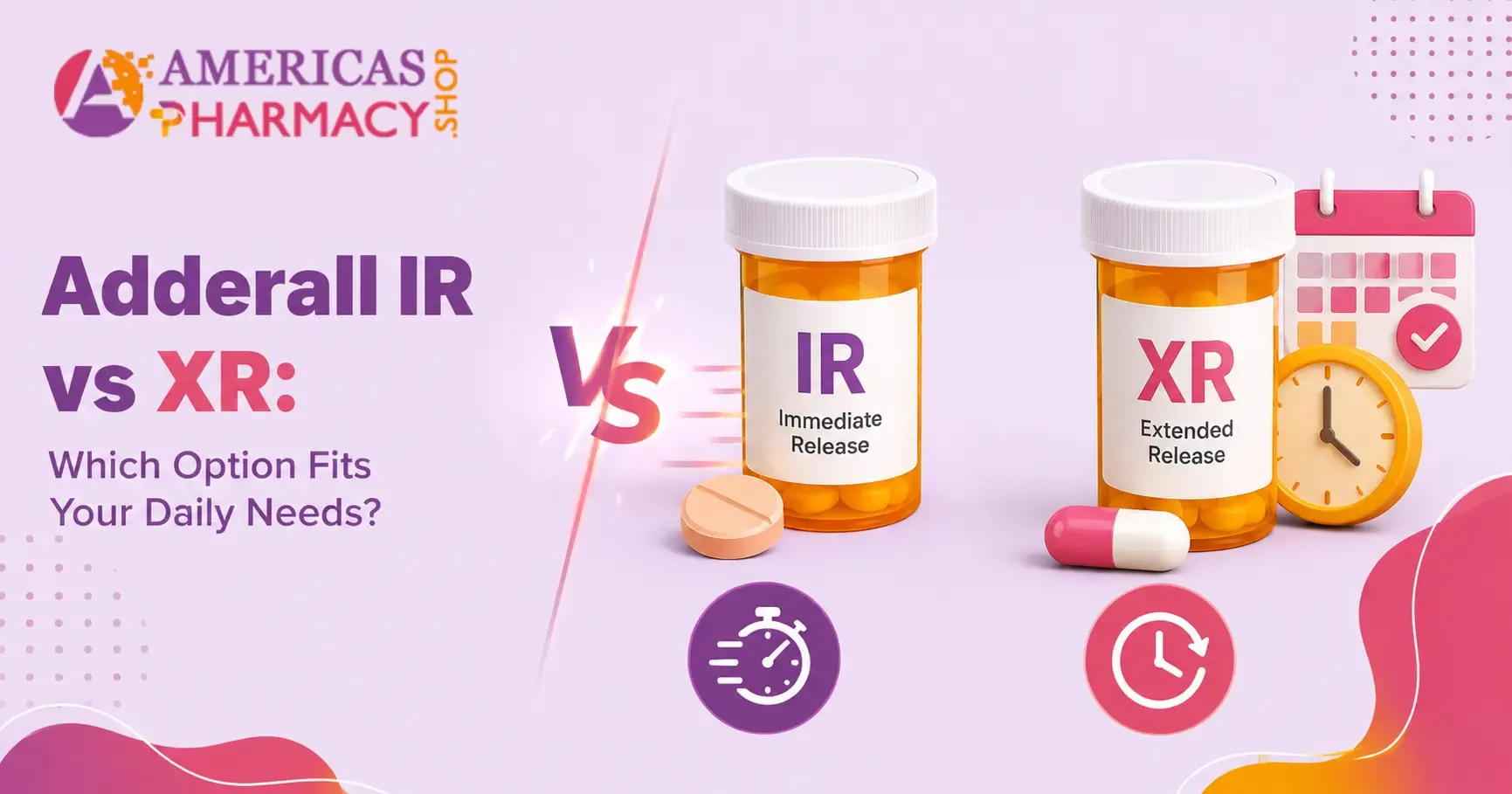
Adderall

Adderall is the best FDA-approved medicine for ADHD. People suffering from Attention deficit hyperactivity disorder may use Adderall to improve their focus and attention. It also lowers hyperactivity and impulsive behavior. Adderall functions by enhancing the amount of dopamine and norepinephrine chemicals present in brain cells. If used along with behavioral therapy, Adderall is considered a more effective drug for the cure of Attention deficit hyperactivity disorder.

Why Adderall?

People who have ADHD found Adderall to be the best option because of its:

  • Improved focus: Adderall works by enhancing your focus/concentration. So, people with Attention deficit hyperactivity disorder find they are better at completing any task without distractions.
  • Reduced Hyperactivity: Adderall helps people feel more relaxed by calming them from excessive mental and physical activity.
  • Better Impulse Control: Better self-regulation leads to fewer impulsive actions, which can help provide a sense of calm and control.

Conclusion.

Suffering from Attention deficit hyperactivity disorder is not a big thing. Because of improper lifestyles and the burden childrens are going through, it is quite possible that they may suffer from any illness, including Attention deficit hyperactivity disorder. If your child is not performing well, parents need to admire the mistake instead of blaming or giving harsh treatment to their child.

This will not only help them, but they will also grow in a peaceful environment and make the world a better place. Also, with the advancement of science, no disease is untreatable. I hope you learn a lot from this blog and can find a way to treat Attention deficit hyperactivity disorder. If you are a parent reading this blog, then you must provide good care for your childrens without trusting anyone else. If your child is suffering from Attention deficit hyperactivity disorder, then you are also responsible for it, so provide a good environment and care.

For More Information About ADHD –  Visit Official Site